


As more people embrace an active lifestyle, questions arise about the potential role of cannabis in enhancing the running experience. Running is a popular form of exercise that can provide numerous physical and mental benefits. Recent studies have shown that cannabis can provide many benefits to athletes and everyday fitness enthusiasts alike. As we look toward 2024, the landscape of health and wellness is evolving with exciting and innovative trends.
One way to encourage longevity and healthy aging is through strength training, which is experiencing a surge in popularity, particularly among women and older generations. Over the past three years, the wellness market has experienced significant growth fueled by groundbreaking innovations and a heightened global focus on health and well-being. Nicole Dunn is the CEO of Dunn Pellier Media (Inc; PR for the fitness), health and wellness sector. Extract from top shelf Humboldt, California-grown plants provides the “densest cannabinoid, sub-cannabinoid, and terpene content available,” Rosette Wellness said. Trends that seem poised to only get bigger in 2019 are wellness and self-care, with a big segment of natural, organic, and plant-based products and practices that have appeal to expanding markets.
That’s what traditional channels like Google or Instagram ads can cost a studio per new customer — before they even walk in the door. It’s the primary research and consideration phase of the customer journey. Legalization has embedded cannabis into daily routines, creating opportunities for brands that can nurture product loyalty through automated reorder flows and subscription models.
Expand your cannabis culinary skills with cannabis edible recipes and tips that transform wellness into an enjoyable daily practise. Regular local access and global cannabis policy physical activity, stress management techniques, adequate sleep hygiene, and nutritious eating all complement cannabis benefits. Inflammation management may benefit from CBD-dominant formulations with minimal psychoactive effects.
From the integration of technology in personal health management to the growing emphasis on mental well-being and community-driven wellness, each trend we explore is a piece of the larger puzzle of holistic health. Always consult with a qualified healthcare provider before using cannabis, particularly if you have pre-existing conditions or are taking medication. Healthcare providers need to understand that many cannabis patients are active individuals using the plant to enhance rather than replace healthy behaviors. Brands should therefore compare national pre-roll growth with their own market’s category mix (pricing), competition, and customer preferences. Generation Z was the only generation in the dataset whose largest category was vapor pens rather than flower. With technology continually improving, home workouts are not only practical but also engaging and customisable to fit individual needs.
Gym Industry Statistics & Market Data (+Research Report)
Known for its products targeting specific wellness objectives, 1906 is a contemporary brand in the cannabis wellness industry that focuses on low doses. The market will see further growth driven by the widening demographic, particularly older individuals looking for relief from age-related issues. Offering a range of uses and dosages, CBD oils and cannabis tinctures continue to be fundamental products. The mainstream conversation surrounding wellness has been accelerated by heightened public recognition and acceptance of CBD — largely due to media exposure and personal success stories.
Caroline from Wellness Creative Co.
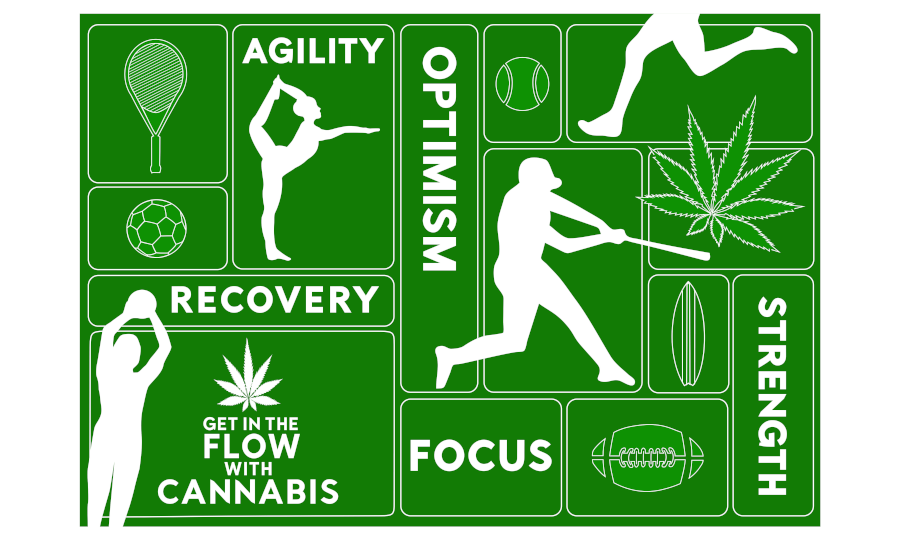
As prohibition ends and stigma fades, we’re seeing cannabis users embrace the plant as a tool for optimization rather than escape. Cannabis users aren’t lazy, unmotivated stereotypes; they’re active, health-conscious individuals who exercise more than the general population while maintaining superior nutritional habits. Instagram accounts like @cannafit and @stonerworkout showcase athletic cannabis users, while YouTube channels provide education about combining cannabis with various exercise modalities. Taking small amounts of cannabis—typically 2.5-5mg of THC—provides mild euphoria and pain relief without impairment that might interfere with exercise performance.
Several Middle Eastern countries have articulated national visions that emphasize wellness and preventive healthcare as integral components of their development strategies, understanding that wellbeing is vital to economic diversification and population health. Wellness practices are increasingly being integrated into all manner of addiction treatment—from alcohol to illicit drugs to technology—and wellness companies are enthusiastically entering the harm-reduction space. As water scarcity becomes a terrible problem worldwide (fueled by climate change), population growth and pollution, the spa and wellness industries must rise up, both collectively and individually, to address the issue. The wellness industry has a vital opportunity and responsibility to support this generation and foster healthier (more balanced young lives), and we expect more serious teen wellness solutions will emerge in the coming years. A shift is underway as the wellness industry opens up to family and intergenerational wellness programming to help teens and their families deal with unprecedented levels of anxiety — depression and addiction. Science is meeting premiumization (from hyper-personalized formulations to a focus on cellular longevity), as supplements evolve into more precise tools of lifestyle optimization.
With fitness increasingly relied upon for mental health, the focus on enjoyment and overall experience has risen sharply, as consumers seek variety and intensity from their workouts. The report dives into critical areas shaping the future of fitness (including motivations and barriers to exercise), the rise of strength training, and the evolution of wellness. The 2026 Global Fitness Report (based on insights from over 10,000 global fitness consumers), reveals a sector that’s thriving – and evolving fast. Evolving from crash diets and no-pain (no-gain mantras to mindfulness and science-backed solutions), the category is anything but frivolous.
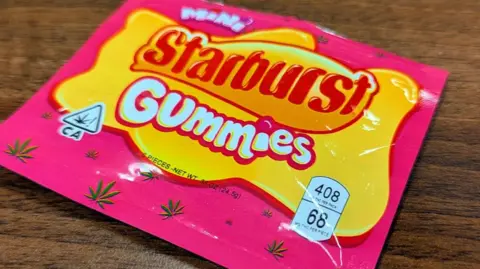
Opportunities arise for brands and products that are specifically designed for particular effects or situational needs. For both men and women, running and hiking ranked as the second most frequently mentioned fitness activities driven by cannabis. Aligning with a human-focused strategy (the potential advantages emphasize innovation and collaboration), ensuring that human welfare is central in the application of these technologies.
Positioning itself as a care center for GLP-1 patients (the gym-as-clinic is creating behavioral connections), particularly for those unfamiliar with fitness and lacking guidance from doctors. As the anti-diet rhetoric softened (body-neutrality perspectives clashed with pharmaceutical successes), expanding the “strong not skinny” concept to encompass individuals on medication. Increasingly available (weight loss medications are transforming gym routines), grocery selections, and menopause management, with upcoming pills priced as low as approximately $150 per month. While these drugs do not supplant healthy lifestyle practices, they represent a vital support system for numerous individuals in modern medicine. This year (significant moments from GLP-1s to wearables across gyms), CPG, health tech, and activewear reflect important macro shifts. However, 2025 signified more than just a growth period; it marked a year of significant change, with wellness becoming integral to the cultural vocabulary.