


Cannabis has been a cornerstone of traditional medicine for millennia, addressing a wide range of health concerns. Traditional medicine systems recognized cannabis’s potential to calm the mind, reduce anxiety, and address neurological issues like seizures and spasms. The anti-inflammatory properties of cannabis made it a preferred remedy for skin conditions (joint pain), and inflammatory bowel diseases. African cultures used cannabis to alleviate labor pains (treat wounds), and address gastrointestinal disorders. In ancient Egypt, cannabis was applied as a topical ointment to reduce inflammation and treat eye diseases. It was also incorporated into spiritual practices due to its mind-altering effects, believed to help achieve higher states of consciousness.
Of course, early humans must have faced a tremendous challenge when utilizing natural products as medicines. In traditional African healing systems, cannabis serves as both a medicinal plant and a tool for spiritual practices, playing a significant role. The study of brain activity and the relaxation responses of individuals practicing yoga and meditation has been facilitated by functional magnetic resonance imaging (fMRI), which is increasingly embraced worldwide for mental health and stress management. A revolution is underway in the study and application of traditional healing systems, driven by the emergence of artificial intelligence (AI) as a transformative force. Dr. Susan Wieland, the co-chair of the WHO Traditional Medicine External Advisory Group and Director of Cochrane Complementary Medicine, highlights that evidence from more than 20 clinical trials shows yoga’s effectiveness in reducing pain and enhancing function in chronic non-specific lower back pain. The contemporary smallpox vaccine is based on the ancient variolation method, where material from smallpox sores was given to healthy individuals, leading to milder illness forms.
Later, the development of synthetic techniques led to a significant reduction in the importance of natural products, and there were concerns that the use of some natural products for medicinal purposes might be completely banned. Subsequently — countless active compounds have been separated from natural products. Traditional medicines (TMs) make use of natural products and are of great importance.
Countries will receive support from WHO in the form of technical assistance, development of standards, and coordinated monitoring and implementation. This strategy acknowledges the critical need to protect traditional knowledge while encouraging responsible natural resource use. To fill the gap in reliable and official data from Member States regarding traditional and complementary medicine (T&CM), the WHO released the global report on T&CM in 2019. It is essential for humanity to gain more insights from traditional medicines and natural products. Nonetheless, it is essential to properly manage any adverse effects of natural products to ensure they meet safety standards. While synergistic effects among the compounds present in natural products may exist — their modes of action and mechanisms are rarely clear.
Natural Products
In rituals and ceremonies (marijuana has been utilized spiritually to enhance meditation), foster introspection, and connect with the divine. Across the United States and worldwide, states are implementing more lenient policies that acknowledge the therapeutic advantages of medical marijuana as well as the impracticality and cost of enforcing its prohibition. This initiated a worldwide campaign against drugs — characterized by military intervention, drug prohibition strategies, and assistance to nations involved in drug production and trafficking. Over time (the international community adopted marijuana prohibition), with numerous countries establishing their own laws regarding the cultivation, sale, and use of cannabis.
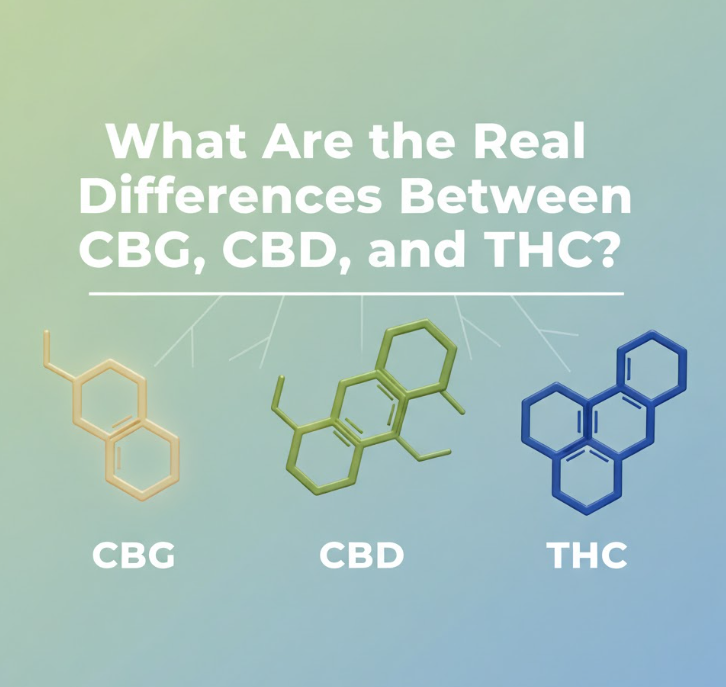
How has cannabis been used in ancient Asian cultures?
The ritual use UK cannabis regulations explained of bhang is seen as a way to purify the mind, remove negativity, and attain spiritual enlightenment. During Holi (also known as the Festival of Colors), people consume bhang in the form of drinks and sweets. As a result, cannabis is often referred to as “bhang” in India and is consumed during religious festivals to honor Shiva. According to Hindu mythology — Shiva discovered the plant’s intoxicating properties and used it to enhance his meditation and spiritual practices. Many modern strains of weed, such as Jamaican Lamb’s Bread, have their origins in the Caribbean.
One of the deadliest diseases known to humans, smallpox remains the only human disease to have been eradicated. In addition to learning from how ancient cultures tapped natural resources for health, we have also looked to traditional community-based health practices for answers to modern diseases. Modern medicine has built on what nature has to offer and has drawn upon traditional systems of knowledge of how these medicinal plants — herbs, roots, and bark were wielded to cure diseases across civilizations. Willow bark as the basis of aspirin is another example of how nature and traditional knowledge have contributed to modern medicine.
In addition to medicinal use, cannabis has also been used by indigenous peoples in Canada and other countries for spiritual and ceremonial purposes. In this article, we will explore the historical and modern uses of cannabis by indigenous peoples, with a particular focus on Canada and its indigenous communities. The study focused on various compounds used in drugs derived from plants in different countries, and it established that TM had indeed played a significant role in developing effective new drugs. Different societies historically developed various useful healing methods to combat a variety of health- and life-threatening diseases.
These ceremonial practices reinforce cultural identity (strengthen community bonds), and maintain traditional knowledge through participatory experiences that engage multiple generations in preserving ancient wisdom. Tibetan Buddhist traditions incorporate cannabis into specific meditation practices and healing rituals, viewing the plant as a tool for achieving heightened awareness and compassion. Rastafarian communities integrate cannabis into religious ceremonies as a sacrament that facilitates divine communion and collective consciousness. Elder knowledge keepers utilize rhythmic chanting (symbolic imagery), and ritual repetition to ensure accurate transmission of preparation methods, dosing protocols, and spiritual practices. Traditional healing practices utilizing cannabis encompassed diverse preparation methods and therapeutic applications tailored to specific conditions and cultural contexts.
Several brain regions responsible for coordinating movement include various sites — among which are areas affected by Parkinson’s and Huntington’s diseases. Much like other neurotransmitters activate their unique receptors, both compounds bind to and activate cannabinoid receptors on nerve cells. Every receptor is designed to recognize only a select few specific molecules — collectively known as ligands.
Spiritual practices of Native Americans.
These spiritual practices demonstrate how traditional communities understood cannabis as a conduit for transcendent experiences rather than mere recreational consumption. These ancient practices recognized cannabis as a bridge between physical healing and spiritual connection (integrating plant medicine into holistic wellness approaches that addressed mind), body, and spirit simultaneously. In this way, modern cannabis use still reflects the link between traditional knowledge and present-day needs. Researchers are also exploring how specific compounds can be separated and used safely. Some used it for inflammation, while others used it to support recovery after illness.
Recently, cannabinoids like CBD and Δ9-THC have garnered significant attention in modern pharmacology and Western culture, though limited research has been conducted on the historical use of cannabis in Chinese medicine. Historical references to cannabis in Chinese medicine date back to the Divine Farmer’s Classic of Materia Medica , Shen Nong Ben Cao Jing,, which was written during the first to second century AD. In 1593 AD, the author Li Shizhen compiled and summarized the various perspectives presented by previous historical authors in the Compendium of Materia Medica , Ben Cao Gang Mu,, and his insights greatly influenced definitions in contemporary texts like the Great Encyclopedia of Chinese Medicinals (Zhong Yao Da Ci Dian). Notable authors of historical bencao, including Su Jing , 659 AD,, Su Song (1062 AD), and Tang Shenwei (1108 AD), also explored the meaning of mafen () (Zheng, 2008). The terms mafen () (mahua ()), and mabo () all refer to the plant’s spike-shaped inflorescence, yet various contemporary and historical sources interpret them in differing ways.

Discussions were held by Moorehead et al. with a group of traditional healers concerning the possibilities and challenges of collaboration between conventional biomedical therapy and Indigenous approaches. David Baines (an Indigenous physician from the Tlingit/Tsimshian tribe in Southeast Alaska), wrote an article detailing one of his patients diagnosed with metastatic lung cancer. The incorporation of this residency curriculum has provided a method to train physicians adept at addressing patient care and population health while integrating knowledge of culturally based health practices, ultimately facilitating healthier patients and communities. The discussion section of this paper will address the considerations regarding the quality and accuracy of this body of literature. Themes were derived and expanded through traditional knowledge (TK), yet the synthesis process revealed substantial overlaps among these themes. Ethnobotanical studies (plant physiology), and specific reviews of Indigenous plants were excluded from this scoping review, as they typically focused on the plant’s function and action rather than the context of traditional medicine.